The Coral Beans (Tz'ite Seeds)
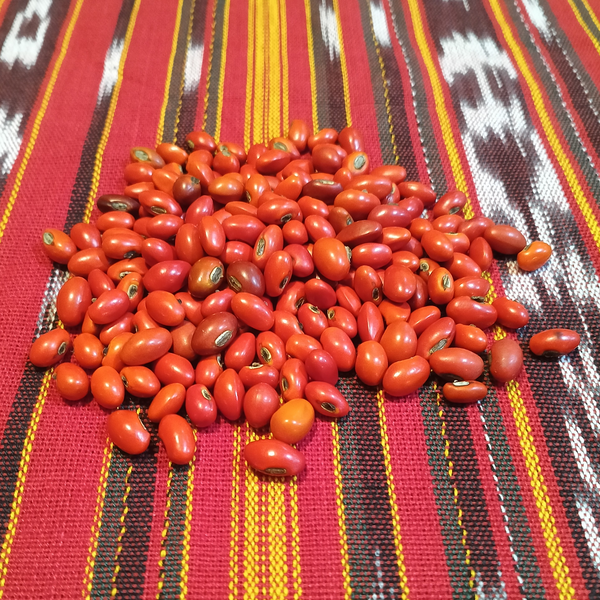
The Tz'ite tree (genus Erythrina) produces bright red, toxic seeds that have served as the primary instrument for Maya daykeepers for over a millennium. These are not common culinary staples like pinto or black beans; they are revered as a powerful, animate medium representing the "lightning in the blood." Before a reading even begins, a practitioner first washes their hands. This ensures that their own physical static does not dampen the strength of the seeds. If the beans are handled without this respect, their energy can become clouded by the diviner's internal noise.
The reverence for the Tz'ite is rooted in the Kʼicheʼ creation story, the Popol Vuh. Before humanity was formed from corn, the Creator Grandparents cast these very seeds to determine if wooden manikins would be a suitable vessel for life. While the wooden people eventually failed and were destroyed, the seeds remained as the divine mechanism for asking questions of the universe. To eat them is not only physically toxic but spiritually taboo—a consumption of the tools of creation rather than the sustenance of life.
The 260 seeds are kept in a sacred vara (bundle), typically swaddled in red cotton fabric alongside other sacred items such as jewels or quartz crystals. These beans are sensitive enough to communicate with the Heart of the Earth and the Heart of the Heavens. When cast, the daykeeper waits for a somatic response—a twitch or pulse in their own body known as "blood lightning"—which signals that the connection is open and the seeds are ready to address the client's concern. This is a sharp tool; if used without proper initiation or spiritual clarity, the energy can cut the reader, much like a blade in the hands of a child who does not yet understand its edge.
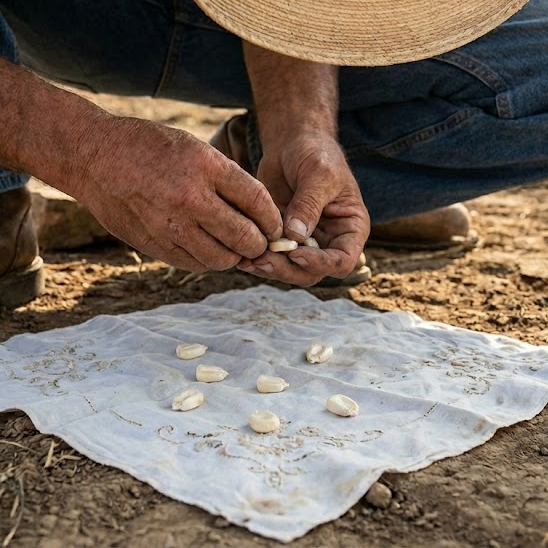
In practice, the seeds are sorted into piles of four, following the sequence of the Tzolkin with its interlocking 13 tones and 20 day-signs. While the remainder of this count provides the specific divinatory answer, the true reading occurs through the somatic connection between the diviner’s body—their blood and nerves—and the red "lightning" inherent in the seeds.
The seeds do not offer vague advice; they speak in the rigorous language of the calendar. As the daykeeper separates the piles, the final count corresponds to a specific Nawal (day lord). It is this Nawal that "speaks" the answer. For example, ending on a pile of Tz'ikin might suggest prosperity and vision, while ending on Tijax might suggest suffering or a need to cut away negativity. The seeds provide the coordinates; the Daykeeper provides the map.